Chimney Inspection Near Me: Maintaining Healthier, Stronger, Longer-Lasting Chimneys in Wellesley, Ashland & Beyond
Did you know yearly chimney inspections are vital for the health of your fireplace system? If you need to book your chimney or fireplace inspection near Wellesley, Ashland, Framingham, or somewhere else nearby, give us a call or reach out online today.
Why Are Chimney Inspection Services Important?
When it comes to our bodies and our chimneys, most of us are guilty of not giving either much thought until something’s very clearly wrong. But the best way to keep both healthy is to actively participate in preventive care and regular maintenance.
We’re not doctors, nutritionists, or fitness experts, so we can’t help you much there, but we can help with your chimney system by providing level 1 and level 2 chimney inspections. Leading industry organizations clearly state that all chimney systems should be inspected by a Certified Chimney Professional at least once every year – and even if you don’t use your chimney much, annual inspections are incredibly important.
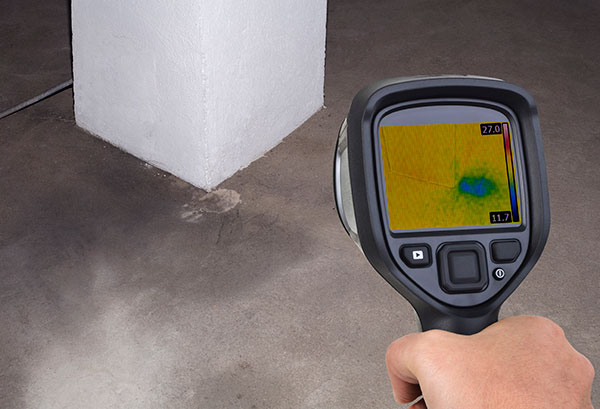
What Are the Levels of Chimney Inspections?
Level I Chimney Inspections
Level 1 inspections are the simplest and most basic chimney inspections. If you’ve been taking great care of your chimney system, keeping up with annual inspections, cleanings, and maintenance, and you haven’t made any changes to your system, a level 1 inspection may be all you need.
What all is involved?
As the most basic chimney inspection, a level 1 inspection does not require any specialized tools or the removal of any chimney components. We simply visually inspect the chimney system – including the firebox, the smoke chamber, the flue, the crown, the flashing, the cap, and the masonry itself – and look for damage, chimney leaks, missing components, design flaws, and anything else that could threaten the safety, performance, and longevity of the chimney system.
Level II Chimney Inspections
Level 2 chimney inspections include a video scan of the chimney flue (from top to bottom), an inspection of all readily accessible areas of the chimney (including crawl spaces and attics), and everything that’s included in a level I inspection. The use of video scanning equipment allows us to really see the interior of the chimney up close, and evaluate the liner, as well as all of the other chimney components.
As with a level 1 inspection, during a level 2 chimney inspection we’re looking for damage, leaks, missing components, design flaws, and other issues that could threaten the safety, performance, and longevity of the chimney system.
When would you need a level 2 chimney inspection?
Level 2 inspections are required when a property is changing hands, but they’re also required when:
- You’ve had a chimney fire or system failure/malfunction
- You’re relining your chimney
- You’re changing appliances or fuel types
- You’ve noticed problems with your chimney system
- You’ve experienced a seismic event or severe weather event that may have damaged the chimney
Regardless of which level is needed in your home, when you hire Chim Chimney Sweep to do the job, you’re guaranteed a thorough inspection and a detailed report on our findings. We’ll let you know if any damage is present and if any repairs are needed before you use your chimney system again, so you can enjoy your fireplace with confidence and peace of mind.
How Long Does a Chimney Inspection Take?
Most standard chimney inspections at the Level 1 level take approximately 60 to 90 minutes to complete. A Level 2 inspection, which involves video scanning and a more thorough evaluation of accessible spaces, may take 90 minutes to 2 hours depending on the complexity of the chimney system and the layout of the home.
Several factors can affect the total time, such as the number of flues, the chimney’s height, the extent of the buildup or damage, and the type of inspection.
No matter what, our professionals arrive promptly, work with care, and respect your home throughout the entire process. We use drop cloths and take precautions to ensure your living space stays clean. Before we leave, we always take the time to walk you through our findings in plain language – no industry jargon, no confusing technical reports – so you leave the conversation feeling informed and confident about the condition of your chimney.
When Is the Best Time of Year To Schedule a Chimney Inspection?
Technically, chimney inspections can be performed at any time of year, and we’re happy to schedule one whenever works best for you. That said, late spring or summer is widely considered the optimal window for most homeowners.
Scheduling your inspection in August, September, or early October gives you the advantage of:
- Faster Scheduling & Shorter Wait Times: As soon as the first leaf falls in September, chimney sweep calendars fill up fast. If you wait until October, you might find yourself on a three-week waiting list while your fireplace sits cold. During the spring and summer, technicians have more flexibility, allowing you to snag an appointment that fits your exact schedule.
- Ample Time for Repairs: An inspection often reveals issues like cracked masonry, damaged liners, or leaky chimney caps. Many masonry repairs involve mortar or crowns that require specific temperature ranges to cure properly – doing this in the summer ensures the materials set correctly without the risk of freezing.
- Preventing Foul Odors: Creosote, the byproduct of burning wood, has a distinct, acrid odor. In the high humidity of summer, that smell can become trapped in the chimney and waft into your living room. A late spring cleaning removes the creosote buildup before the humidity hits.
- Increased Safety and Better Conditions: Chimney inspections involve getting on the roof. It is significantly safer and more thorough for a technician to inspect your flashing, crown, and masonry when the roof isn’t slick with rain or covered in ice.
Is a Chimney Inspection Required by Law
While no overarching federal or state laws strictly mandate routine residential chimney inspections for homeowners, certain situations do require them for local compliance. For instance, specific municipal building codes often demand a professional assessment when you buy or sell a property, install a new fireplace appliance, or alter the flue system.
Landlords may also be required by local habitability regulations to ensure heating systems operate without hazard. Although you might not face legal penalties for skipping an annual visit, avoiding this vital maintenance leaves your home vulnerable to devastating fires and expensive structural failure. Consistent professional evaluations are highly recommended to protect your valuable property.
Does Homeowners Insurance Cover Chimney Inspections?
Homeowners insurance typically does not cover routine chimney inspections. Policies generally view regular chimney maintenance and annual assessments as the property owner’s responsibility, much like cleaning gutters or replacing HVAC filters. However, exceptions exist when sudden damage occurs.
If your chimney sustains structural harm from a covered peril – such as a severe windstorm, a lightning strike, or an unexpected fire – your insurance provider will likely pay for the diagnostic visit to determine the extent of necessary repairs. To avoid surprise out-of-pocket costs, review your specific policy details or contact your agent directly.
Scheduling consistent preventative exams helps catch minor flaws before they become disastrous, ultimately protecting your investment and preventing costly future claim denials due to a history of neglect.
Book Your Next Chimney Service With Chim Chimney Sweep
Ready to get your inspection on the calendar? Call 508-875-3874 or fill out our online request form and we’ll take care of it for you!
No matter what type of chimney repair your system may need, you can count on our experienced technicians for the very best in chimney and fireplace services.
Certifications & Awards
Massachusetts Contractor License
Associations

Chim Chimney Sweep